
|
This time of year tends to slow us down just enough to reflect.
We think about what we planned, what we delivered, and—quietly—what it cost our teams to get there. Many organizations can confidently say their projects were delivered on time and on budget. But beneath those numbers, teams are often stretched, priorities keep moving, and overtime becoming routine rather than exceptional.
That tension is usually a signal that capacity planning is not working the way we think it is.
Over the years, both in my own PMO leadership roles and now as a consultant, I’ve learned that resource management fails because visibility, prioritization, and governance are not working together in a consistent way. Tools alone don’t solve that problem—but the right tool, used with the right intent, can make it impossible to ignore.
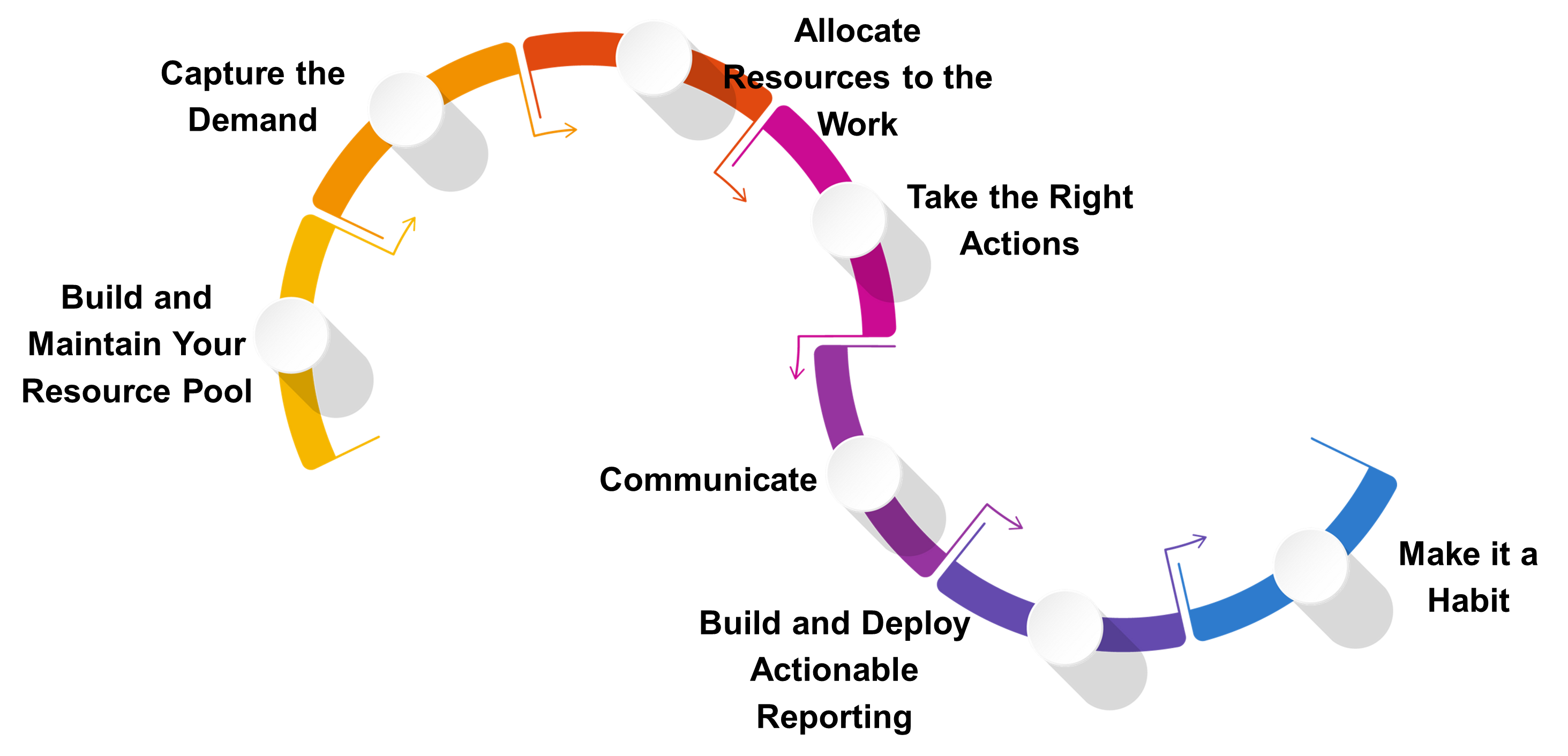
That was the spirit behind the Smartsheet in Action: Mastering Capacity Planning with Resource Management webinar. Not to showcase features, but to walk through how capacity planning actually unfolds when you try to make it work in a real organization.
When Projects Look Healthy but Teams Don’t
One of the stories I shared during the session came from earlier in my career. At the time, we were managing a large project portfolio. On paper, everything looked healthy—status reports were green, milestones were met, and budgets were under control.
Behind the scenes, though, people were being moved constantly from one initiative to the next. Overtime became routine, weekends were no longer off-limits, and burnout started to creep in quietly.
None of that showed up in our dashboards.
The reason was simple. We were managing projects, but we were not managing capacity. Assigning someone to a project at “50%” did not mean they were actually working at 50%. It only meant that was the assumption we wrote down.
Without visibility into how people were actually being used, we were optimizing delivery at the expense of sustainability. That’s a trade-off many organizations make without realizing it.
Why Resource Management Starts With Visibility, Not Tools
One of the most common mistakes I see is organizations trying to fix capacity problems by buying a tool before they fix their governance.
The thinking usually goes like this:
“We have too many projects, resources are stretched, so we need a better system.”
But if priorities are unclear, intake is loose, and accountability isn’t well defined, adding a new tool usually just makes the chaos more visible rather than fixing it.
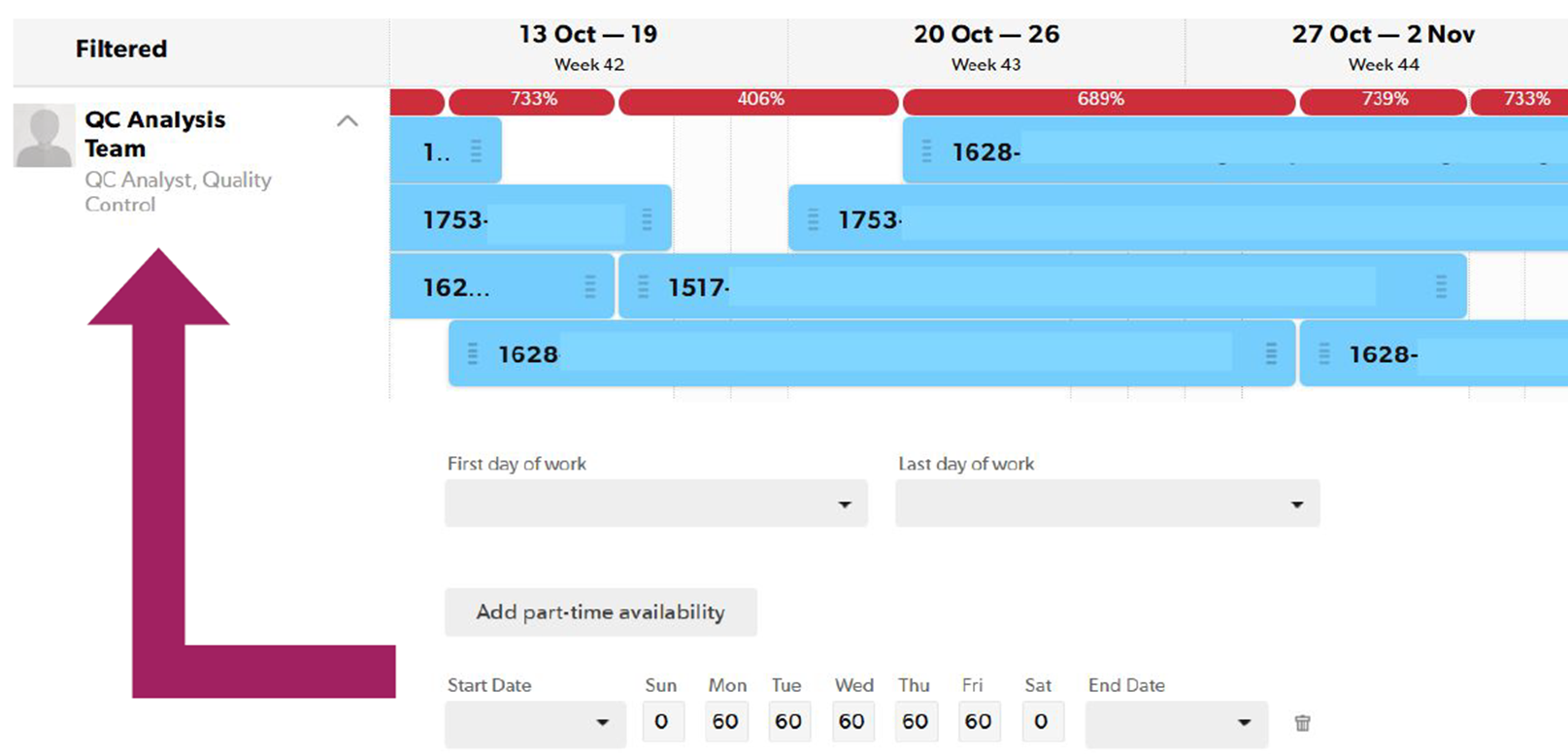
This is why the first step in any capacity planning journey is building and maintaining a credible resource pool. Not just a list of names, but a shared understanding of who is available for project work, what roles they play, where they are located, and what their baseline availability really is.
Smartsheet Resource Management helps here by giving PMOs a centralized place to capture that information, including roles, disciplines, seniority, availability, and cost rates. You don’t need every field populated on day one. You need enough accuracy to support decisions.
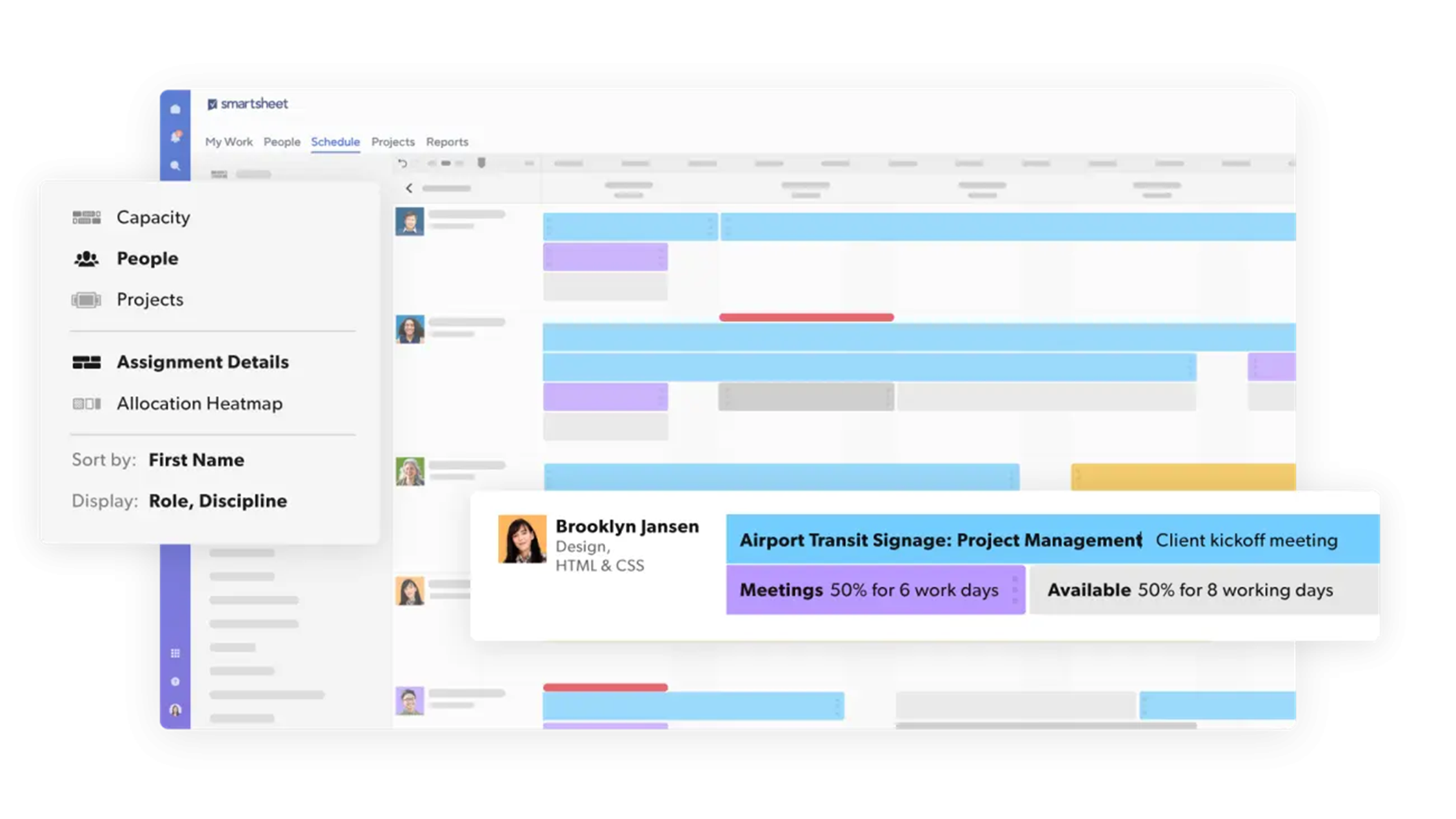
One of the most powerful—and often overlooked—capabilities is the use of placeholders. Placeholders acknowledge reality. Early in a project’s lifecycle, you often don’t know exactly who will fill a role. But the demand still exists. Representing that demand early gives resource managers time to plan, hire, train, or rebalance before the pressure hits.
Demand Is Not Just What’s Been Approved
Another pattern I see repeatedly is PMOs underestimating demand because they only track approved projects.
In reality, demand shows up long before a project is approved. It starts earlier, when ideas are shared, initiatives take shape, and business cases are debated. By the time a project is formally approved, the organization is often already committed—at least emotionally.
Smartsheet allows PMOs to represent both active and potential demand without treating them as the same thing. Approved projects can be clearly distinguished from initiatives still under review, while placeholders and high-level allocations provide early signals about future capacity pressure.
This changes conversations with leadership. Instead of reacting when teams say they’re overloaded, PMOs can show what’s coming and ask better questions. If we approve this initiative, what does it displace? If we delay it, what capacity do we free up?
Those are governance conversations. The tool simply makes them visible.
Allocation Is Where Priorities Get Real
It’s easy to say that everything is a priority—until two projects need the same senior resource at the same time.
This is where capacity planning stops being theoretical. Allocation forces trade-offs and exposes assumptions about whether project work or operational work takes precedence, and whether those assumptions are shared across the organization.
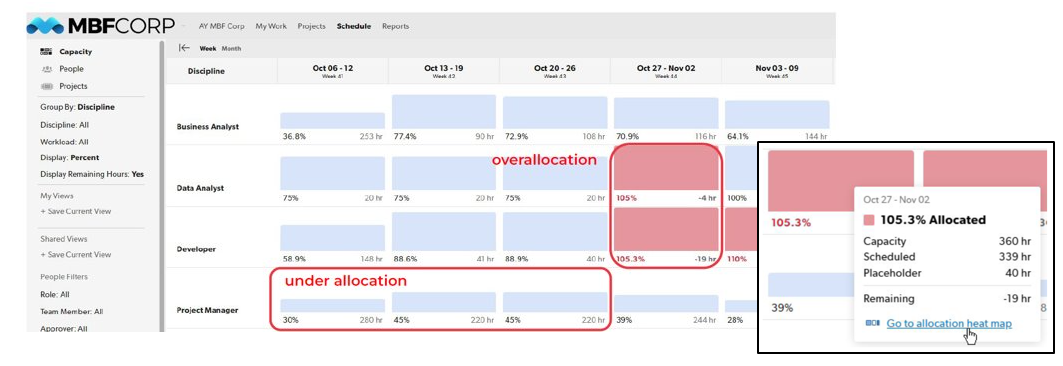
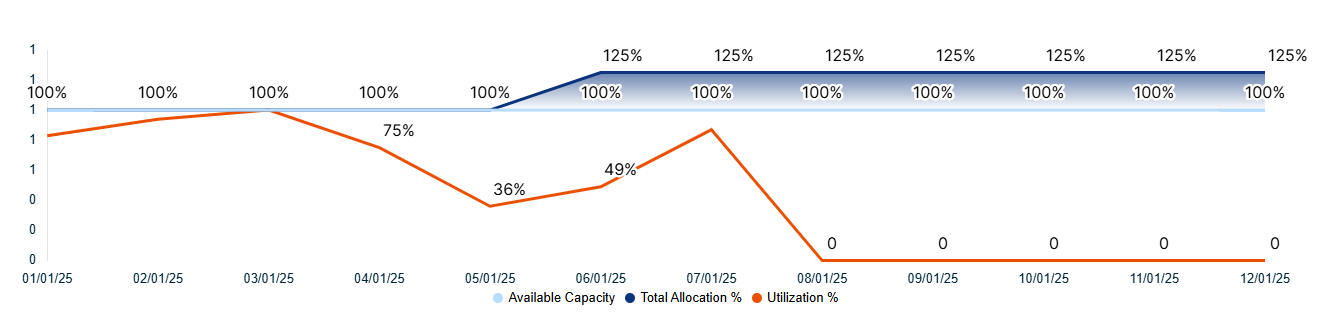
Smartsheet makes allocation visible over time, not just at a single point. Heat maps and utilization views show where resources are overallocated, underutilized, or approaching risk. That visibility is uncomfortable at first, but it’s also what enables better decisions.
There is no magic button to fix overallocation. What matters is that issues are identified early enough to act—by reassigning work, adjusting scope, delaying starts, or escalating decisions to the right level.
Communication Is Where Capacity Planning Succeeds or Fails
Resource management is not something the PMO does for itself. It exists to support others.
Team members want clarity about what they are expected to work on and what their real priorities are. Resource managers need advance notice of demand so they can plan responsibly. Project managers need confidence that assigned resources will actually be available. Executives want to know whether the organization is investing capacity in the right places—and at what cost.
Smartsheet supports this by allowing the same underlying data to be presented differently depending on the audience.
-
Dashboards for executives.
-
Detailed views for resource managers.
-
Assignment-level visibility for project teams.
The value here is not the dashboard itself. It’s the shared reality behind it.
Reporting That Supports Decisions, Not Just Status
One of the most practical benefits of integrating Smartsheet core with Resource Management is reporting that reflects real work.
When allocations, rates, and time tracking are connected, PMOs can see planned versus actual labor costs, forecast future expenses, and understand utilization trends without relying on manual spreadsheets.
Reporting stops being an exercise in explaining numbers and becomes a tool for decision-making. Leaders can see not just where money was spent, but where it is likely to be spent next—and why.
The Step That Matters Most: Consistency
If there is one message I would reinforce above all others, it’s this: consistency matters more than sophistication.
I’ve seen simple capacity planning models succeed because they were used consistently. I’ve seen advanced implementations fail because they were treated as one-time exercises.
Smartsheet supports consistency by making updates part of normal work, but discipline still matters. Resource pools must be kept current. Allocations must be reviewed regularly. Time must be entered and approved if you expect actuals to mean anything.
Perfect data is not required. Directionally reliable data is.
Looking Ahead Without Breaking What Works
One of the most exciting developments discussed in the session is scenario planning—the ability to explore “what if” situations without changing live plans. This has the potential to significantly improve how PMOs support leadership decisions, especially in uncertain environments.
But even here, the principle remains the same: tools support the work, but governance drives the decisions.
Why This Matters
When capacity planning works, it’s rarely because the model was perfect.
It’s because the organization was willing to look honestly at how work was really getting done.
Most PMOs don’t struggle with effort or intent. They struggle with seeing pressure early enough to do something about it. When that visibility is missing, teams compensate quietly. They work longer. They switch contexts more often. And eventually, something gives.
Taking the time to look beyond green status reports and ask how sustainable delivery really is doesn’t require a major transformation.
It starts with making trade-offs visible and revisiting them consistently.
That’s often enough to change the conversation.
If you want to talk through what this looks like in your context,
I’m always open to a conversation.
👉 https://www.pmoevolution.com/contact
✨ As we head into the holiday season, we wish you a happy and energizing end to the year and continued momentum as you plan for what’s ahead.