
The Microsoft Project Migration Is Here: Why Smart PMO Leaders Are Treating This as a Strategic Reset
If you've been paying attention to the project management tool landscape lately, you already know what's happening. Microsoft is blocking the creation of new Project Online instances as of April/2026. For organizations still running their PMO on Microsoft Project, the clock isn't just ticking. It's already struck midnight.
But here's what most people are getting wrong about this moment: they're treating it like a software migration. Swap one tool for another, move the data, train the users, done. That approach is going to cost organizations months of productivity and, honestly, a lot of credibility for the PMO leaders who go down that road.
I've been through enough tool migrations in my career to know that they never go smoothly when they're treated as purely technical exercises. The real opportunity here is strategic, and it's one that most PMO leaders won't see until it's too late.
Let me explain what I mean.
When your organization is forced to move off a platform, everything is on the table. The processes you built around that tool, the reporting structures, the governance frameworks, and the way teams interact with the PMO. All of it gets questioned. And that's actually a gift if you know how to use it.
Think about it this way. How many times have you wanted to overhaul your portfolio intake process but couldn't because "that's not how it works in our system"? How often have you wished you could redesign your status reporting but held back because the existing templates were baked into the tool? This migration removes those barriers overnight.
The tool isn't the strategy. The strategy uses the tool.
I see too many PMO leaders starting their migration planning with vendor demos. They're comparing features, running proof-of-concept exercises, and building migration timelines before they've answered the most important question: What does our PMO actually need to deliver for this organization?
Start there. Before you look at a single tool, get crystal clear on three things. First, how does your organization define and prioritize its portfolio? Second, what does your delivery governance actually need to look like to support how your teams work today, not how they worked five years ago? Third, how are you tracking whether projects are delivering real business value, not just finishing on time?
If you work through those questions honestly, you'll probably realize that your current approach has gaps that have nothing to do with Microsoft Project. The tool was never the problem. It was just making the problem harder to see.
Why Smartsheet is showing up in more PMO conversations right now
I'm not going to pretend I don't have a perspective on tools. I work with Smartsheet every day, and I've seen firsthand how it changes the game for PMOs that are serious about moving from project tracking to portfolio management.
But what's interesting about this particular moment is that organizations migrating from Microsoft Project are discovering something important: modern work management platforms like Smartsheet aren't just "project management tools with a nicer interface." They're built around a fundamentally different philosophy. One that treats work as collaborative, interconnected, and visible by default.
For PMO leaders, that shift matters. When your platform makes it easy for project managers to update their own status, for stakeholders to see real-time portfolio dashboards, and for leadership to understand resource capacity without waiting for a monthly report, you're not just managing projects differently. You're running your PMO differently.
I've helped several organizations make this transition over the past year, and the ones that get it right all follow a similar pattern.
A framework for doing this right
The organizations that turn this migration into a genuine transformation tend to work through three phases, and they don't skip any of them.
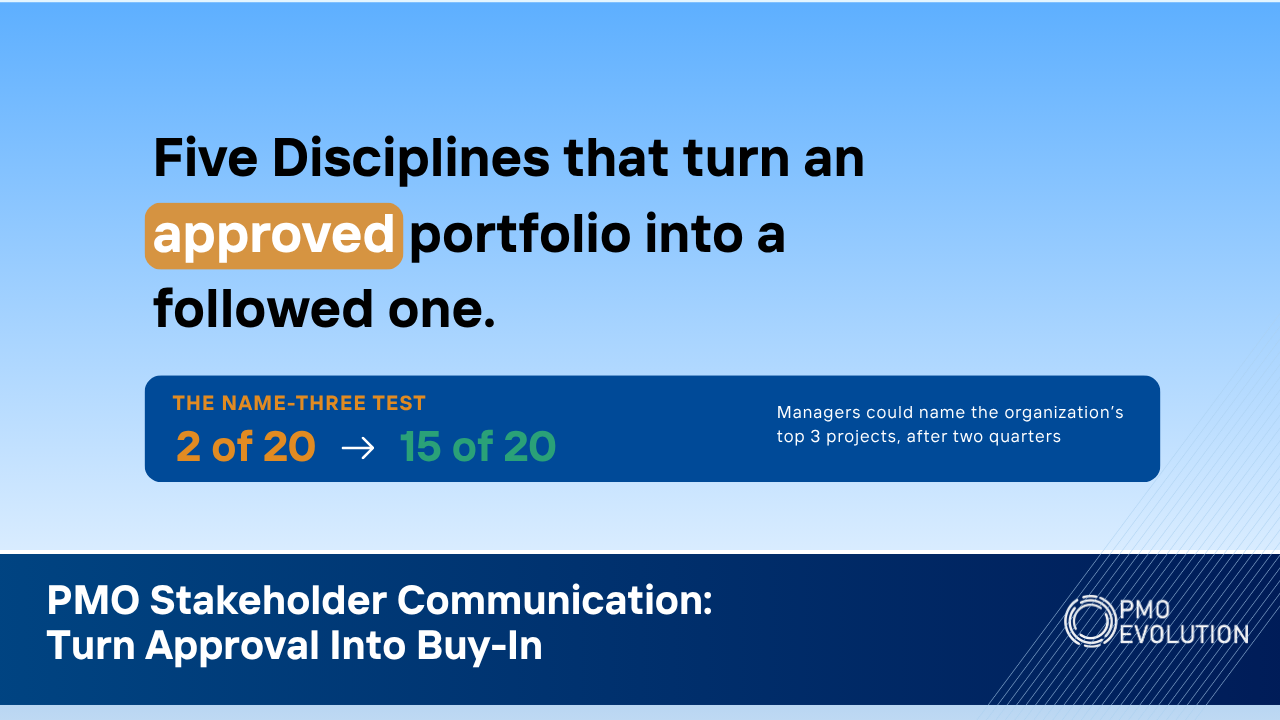
First, they define their portfolio. Not just a list of projects, but a real understanding of how work connects to strategic objectives, how they prioritize competing demands, and what governance the portfolio actually requires. This is where most PMOs are weakest, and it's where the biggest gains are hiding.
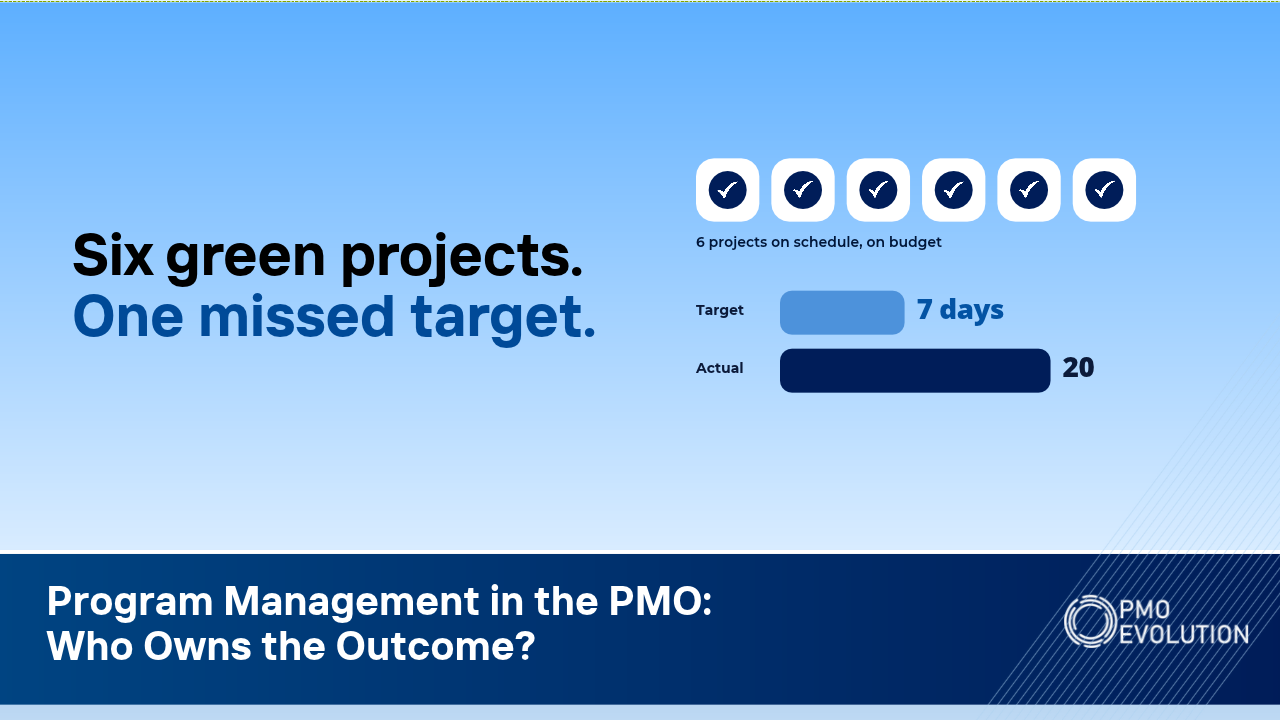
Second, they design their delivery model. They figure out how projects and programs will be managed, what level of standardization makes sense, and how they'll use the new platform to support rather than constrain their teams. This is where tool selection and configuration happens, but only after the delivery model is clear.
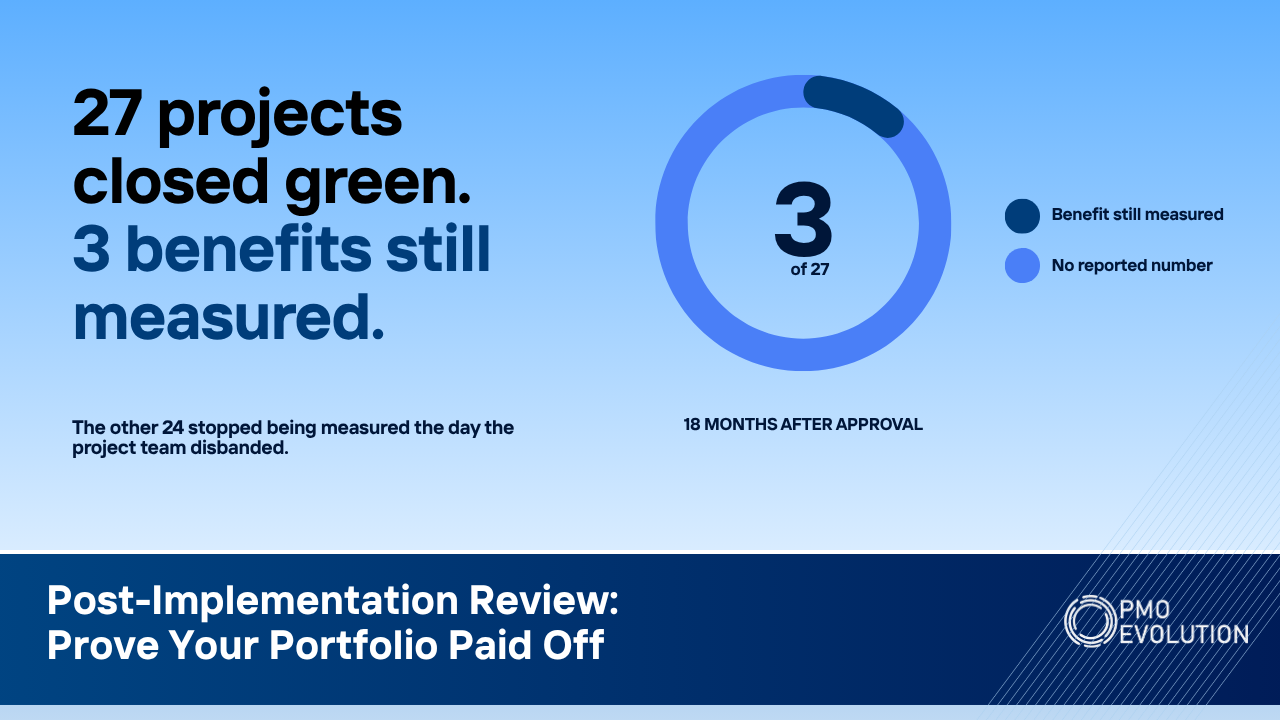
Third, they build in benefits realization from the start. They don't wait until projects are done to ask whether the investment paid off. They build measurement into the process so they can course-correct early and demonstrate PMO value continuously.
If that sounds familiar, it's because this is exactly what a mature PMO does regardless of what tool it uses. The migration just creates the forcing function to get there.
What you should do this week
If your organization is affected by the Microsoft Project changes, or if you've been thinking about modernizing your PMO's toolset for a while, here's what I'd suggest.
Don't start with tool selection. Start with a portfolio assessment. Understand where your current approach is strong and where it falls short. Talk to your stakeholders, not your vendors, first. Get clear on what "PMO value" means to your leadership team and work backward from there.
Then, when you do start evaluating platforms, you'll be making a strategic decision rather than a reactive one. And that difference shows up in everything from adoption rates to executive support to long-term PMO credibility.
The organizations that treat this moment as a checkbox exercise will end up with a new tool and the same old problems. The ones that treat it as a strategic reset will come out of this with a PMO that's actually positioned to lead.
Which one are you going to be?
🌐 Visit our website: pmoevolution.com
🔔 Follow us on LinkedIn: PMO Evolution
👉 Subscribe on YouTube: PMO Evolution